Before we jump into this post, allow me to introduce myself. My name is Danielle, though in the Grace, Not Perfection world, I’m rarely called that. As the best friend to the blogger, I’m often referred to with nicknames rooted in love and shared stories. Most often, I’m “Mills,” short for “Mildred” while she is “Petunia” (we’ll save that story for another time). If she’s feeling a little spicy, I’m “Milly Rock.”
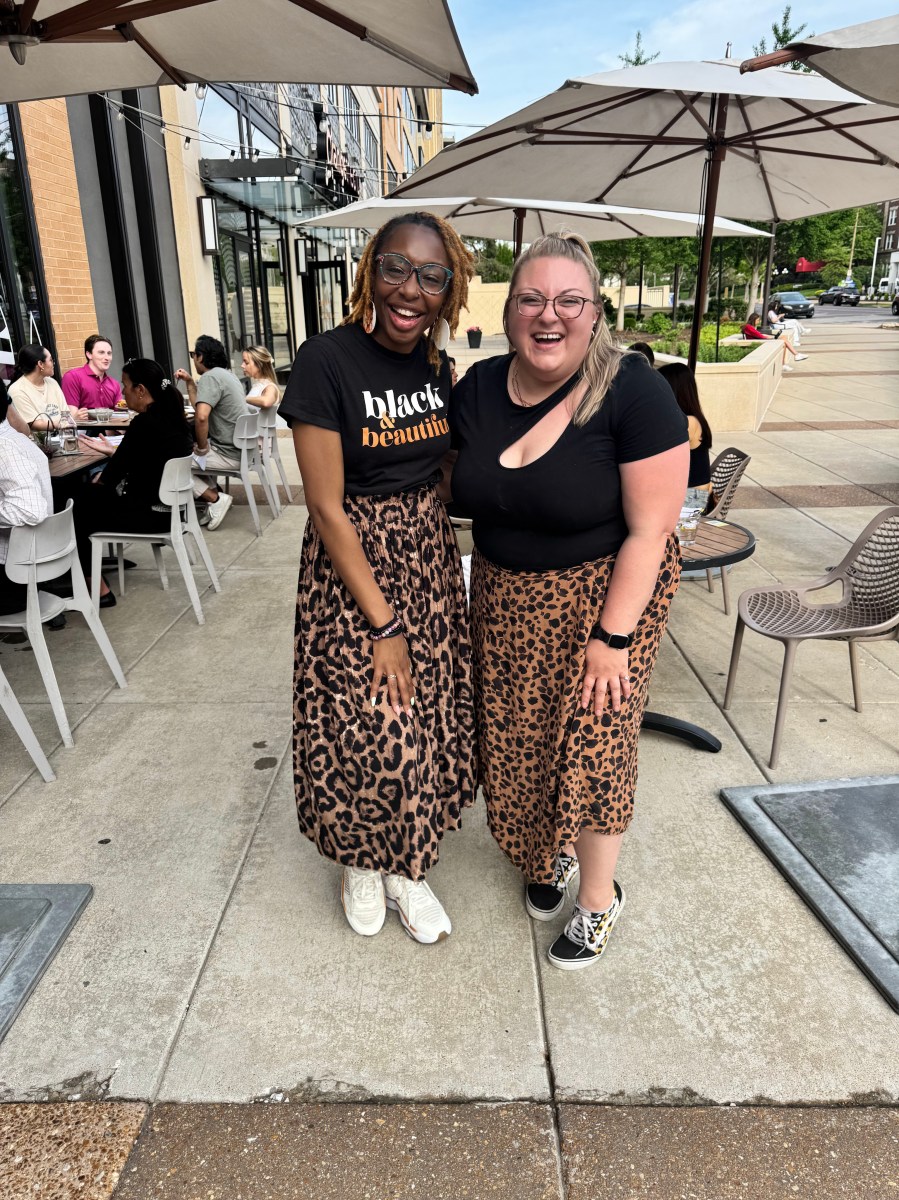
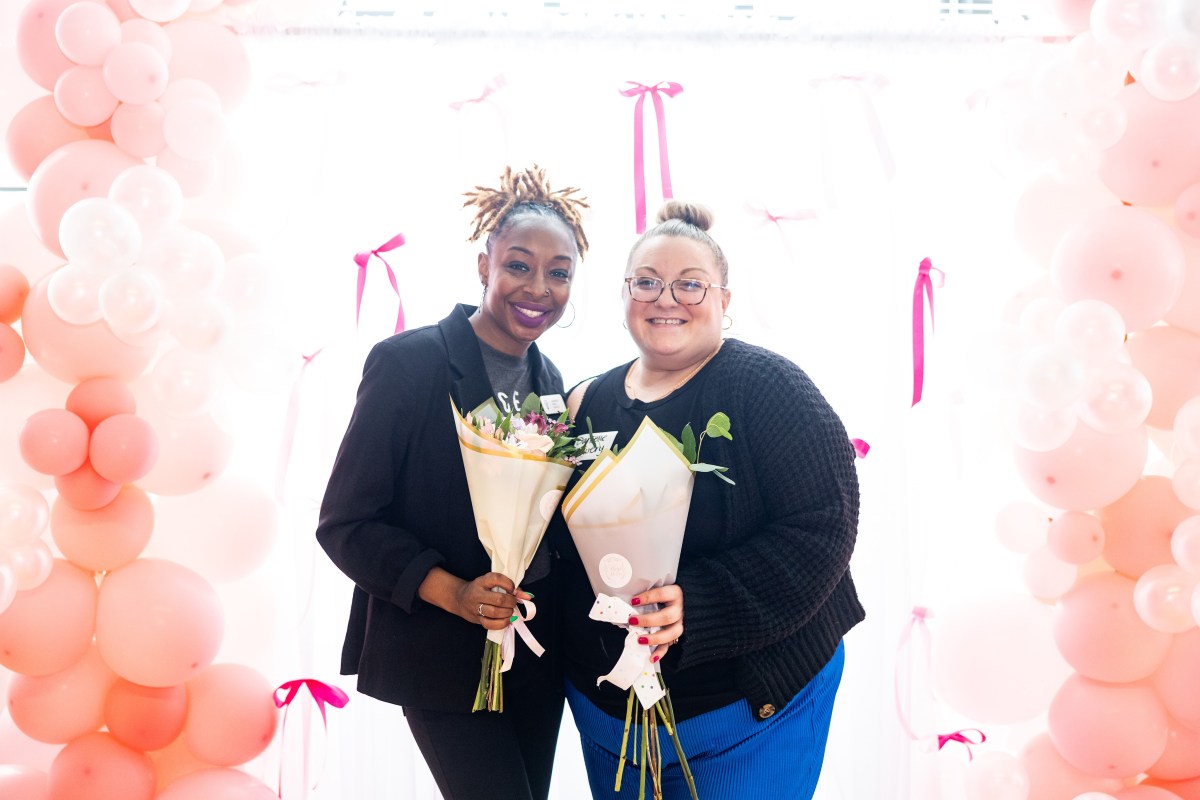
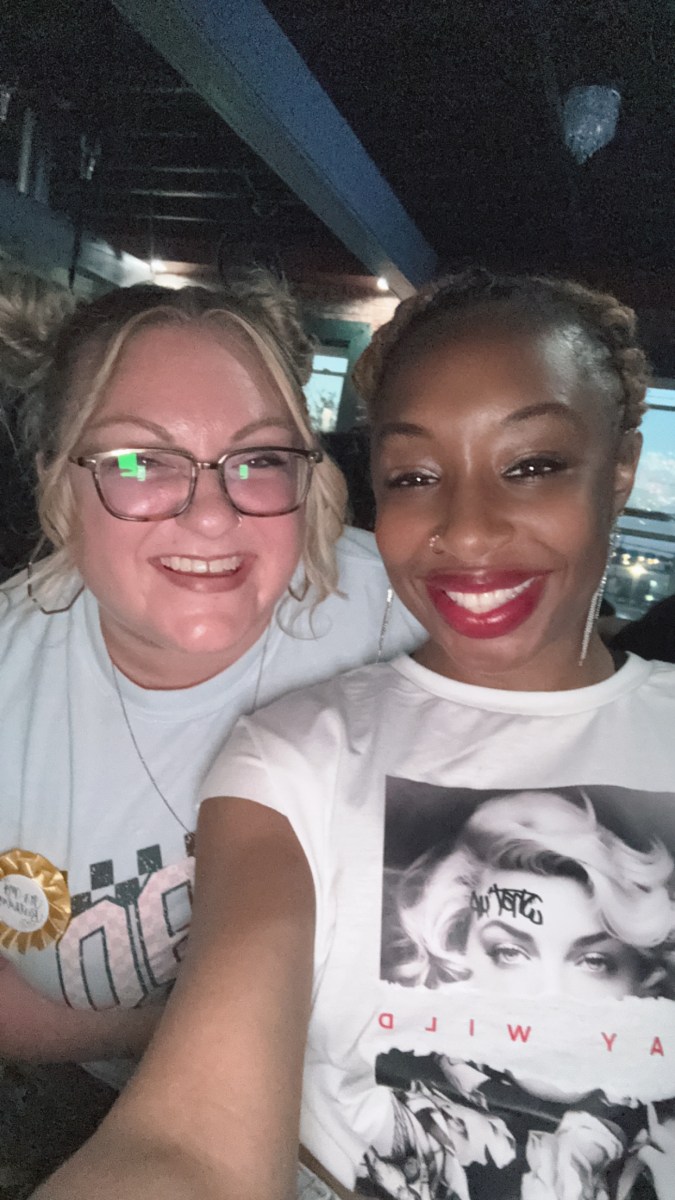


But I’m not just her bestie—we’ve claimed each other as Platonic Life Partners (PLPs, for short). We met at church, linked arms one day, and have been inseparable ever since. She’s the sister God knew I needed as I clawed my way out of the hardest chapter of my life.
To the outside world, we might seem like an unlikely pair—LaKecia is the very definition of Black Girl Magic, and I’m a sweet-looking blonde-haired, green-eyed white girl. But we go together like none other, and I wouldn’t trade our friendship for anything.
So, now that you know a bit about me, let me tell you why I’m writing this.
Over Memorial Day weekend, my son and I attended LaKecia’s family reunion.
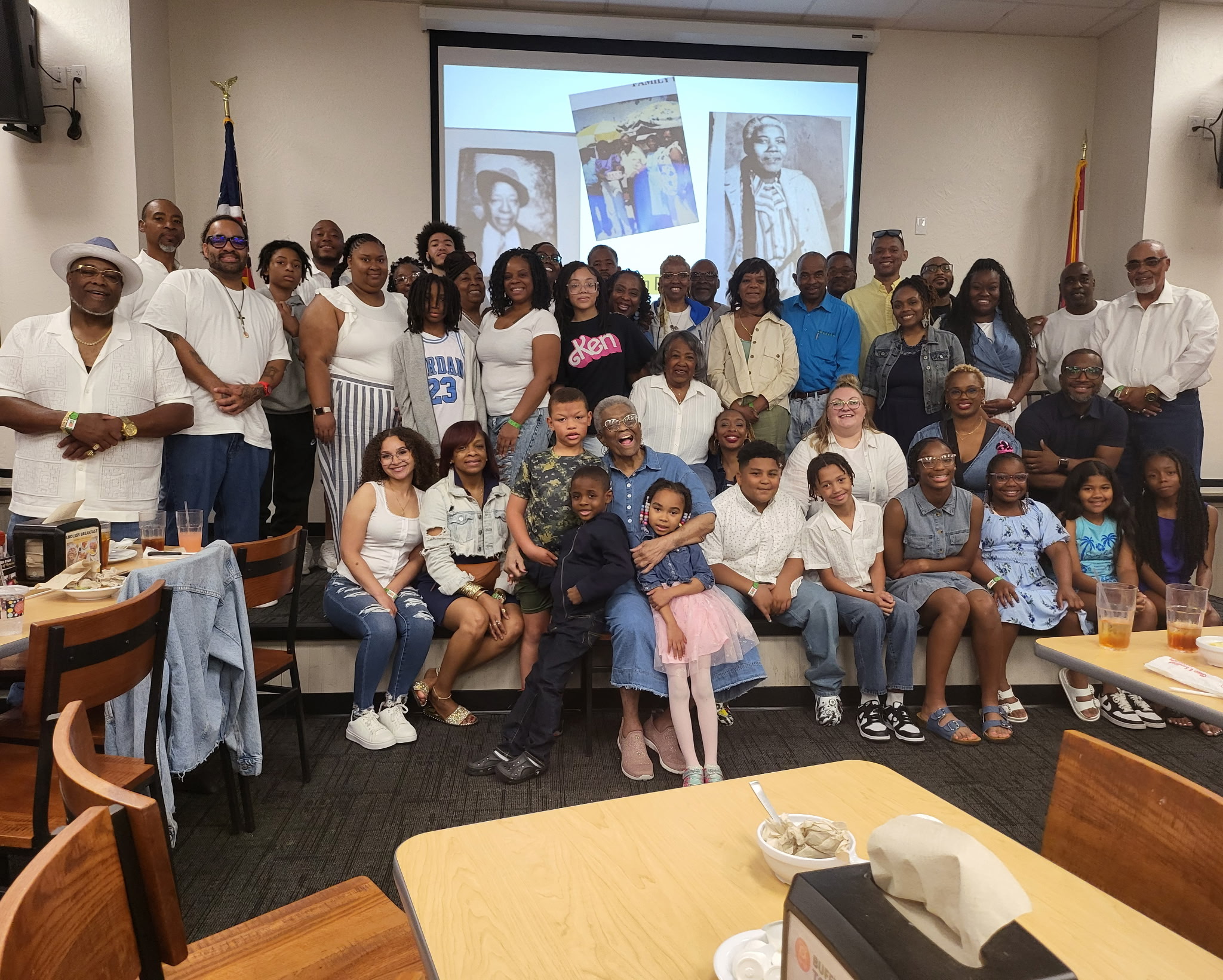
I’ll remind you, we’re not related—not by blood or marriage. But that didn’t matter. Not to her mother. Not to her grandmother. Not to the dozens of aunties, cousins, and elders who welcomed us like we had always belonged.
We were embraced with a kind of love that asked no questions and needed no explanation.
We were claimed.
Let me be clear—LaKecia’s mom, aka “Mama” to me, has shown up for us in steady, unshakable ways since she and I became friends five years ago. Holiday gifts. Birthday cards. Encouraging texts. Real check-ins. And of course, the “Granny will come up to that school if she needs to” energy, too.
We’re included in everything Mama gives her two biological children and grandchildren. She treats me and my son with the same care and devotion she gives them. I’m constantly grateful.

And this reunion?
It was another layer of that love—a generational, collective expression of “you are ours.”
As we took a picture with LaKecia’s grandmother, she pulled my son close and affectionately gave him a new nickname saying: “Smile Mar Mar.” She’s 90, y’all!
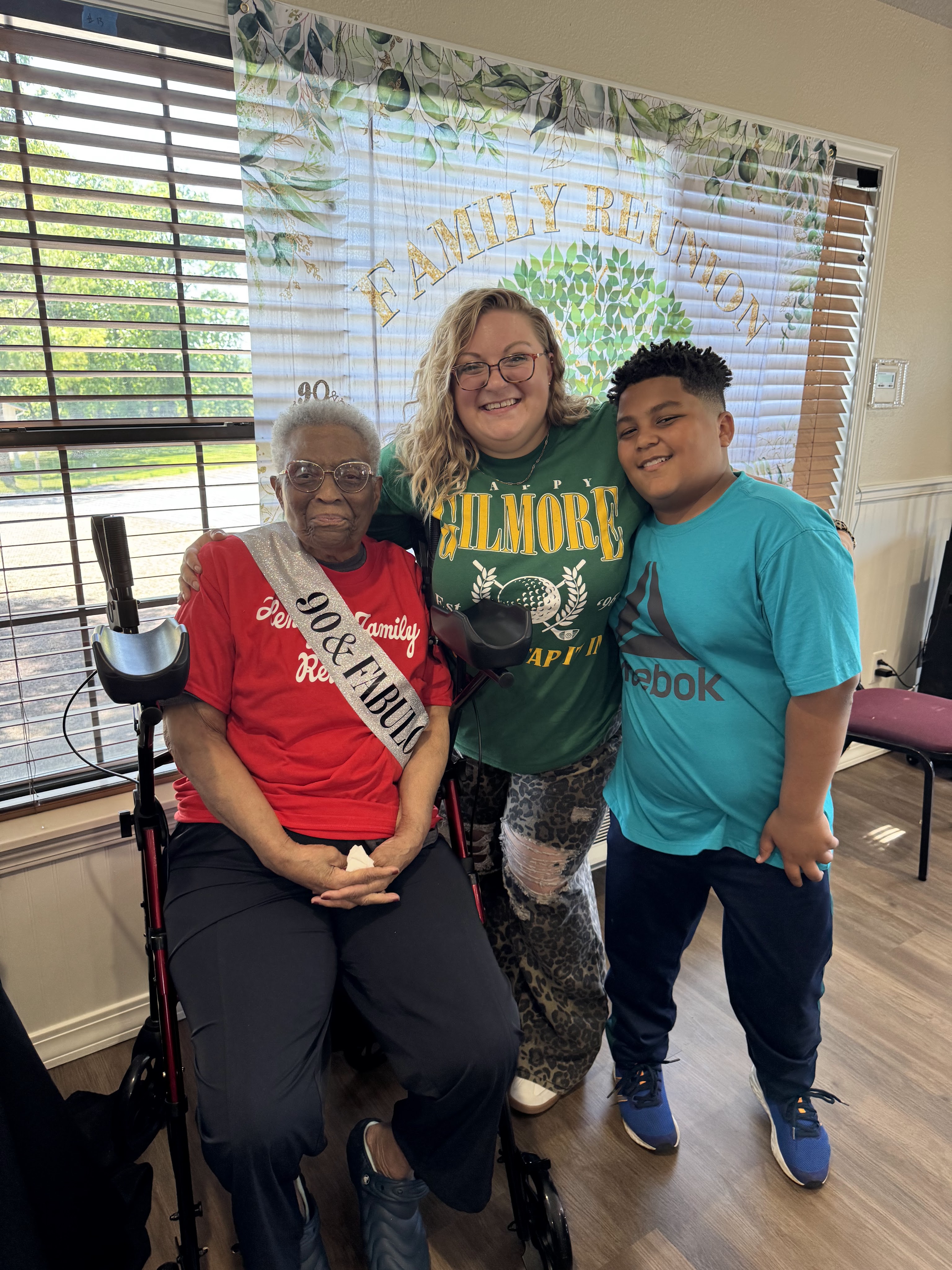
No one else may have realized the weight of that moment, but I did. I don’t have any grandparents left biologically. But thanks to this family’s love, I’ve inherited a bonus grandma. And my son has an extra great-grandma, Na-Na, who affectionately calls him Mar Mar now.
It was a moment of being seen. Not tolerated. Not politely included. Seen. Loved. Named.

My son is biracial. His connection to his Black heritage is something I hold with deep care—because while I can never fully embody that part of his identity, I can protect it, honor it, and make space for it to grow.
The truth is, his paternal family hasn’t been consistently present. And that absence aches—in ways I can’t soothe. Not for him. Not for me.
But what LaKecia’s family gives him isn’t just kindness.
It’s cultural affirmation.
It’s belonging.
It’s a reflection of who he is, no explanations or proving required.
It is the kind of love Black families have passed down for generations—despite everything that’s tried to break that bond.
As I recapped the weekend with a friend, I realized this experience wasn’t new for me.
Some of the safest, deepest love I’ve known came from the Black families of my childhood best friends. I’ve been fed, held, prayed for, and welcomed into Easter and Sunday dinners I had no bloodline to justify being in.
That’s not coincidence.
It’s history.
It’s legacy.
Black American families have long practiced what scholars call “fictive kinship”—creating family by choice, by commitment, by love. A necessity born from a history where families were torn apart during slavery. Blood ties were broken, but love persisted. Kinship stretched, because survival demanded it.
And further back—before ships, before chains, before the horrors of slavery—many African cultures centered the village. Children were raised communally. Elders honored by all. Love and responsibility weren’t confined to nuclear units; they were shared.
What I witnessed and experienced this weekend was a living echo of that inheritance.
I wish I had the words to describe what it meant to watch my son—who often struggles in new environments—slowly lower his guard, realize he was safe, and then feel so loved that he turned to ask:
“LaKecia, is the next family reunion going to be here?”
I wish I had the words to describe what it means to me—a white mother raising a brown boy—to know that we are seen and loved by people who understand parts of him I never fully can. Who see him, even when parts of his story are missing.
What I do have are tears of gratitude. A heart cracked wide open. A knowing that some things cannot be forced—but when given, feel like holy miracles.
This weekend, we were wrapped in a kind of grace that didn’t need an invitation.
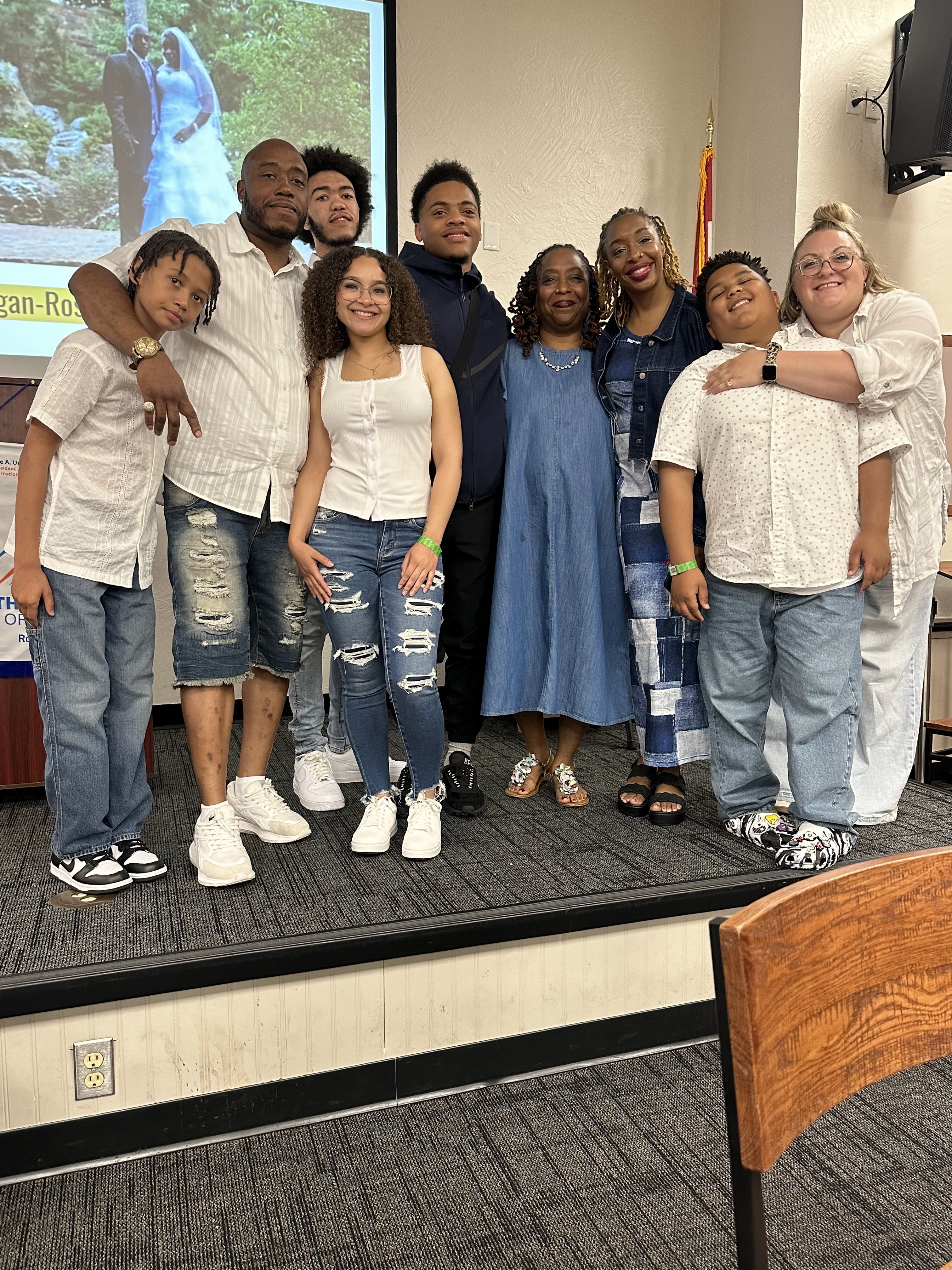
We were already family.
To LaKecia and our incredible family—thank you. Thank you for loving us as your own, without condition, without hesitation, even when you are facing your own struggles. Your love is not just felt—it’s formative. And to the wider Black American culture that has so often made space for those outside the bloodline, who consistently love others as your own: your legacy of welcome, resilience, and generational grace is nothing short of sacred.
We don’t take it for granted.
We carry it with us.
With love,
Mills
 Grace not Perfection
Leave a comment