Autoimmune Disease Awareness Month: Sharing My Journey Beyond My Diagnosis
In March 2023, I noticed knee pain—nothing major at first. But by July, severe joint pain in my fingers signaled something was seriously wrong. I knew something wasn’t right, so I scheduled an appointment with my primary care doctor in August. That visit led me to a rheumatologist, and after an overwhelming amount of lab work (34 vials of blood!), I received my official diagnosis in November 2023: Mixed Connective Tissue Disease (MCTD), an autoimmune disorder.
The diagnosis process was nerve-wracking, filled with fear and anxiety about what was happening to my body. But I recognize how fortunate I was to get answers within a few months—some people wait years. Having family members with autoimmune diseases helped me get into a specialist quickly, which made all the difference. When I finally heard the diagnosis, I had mixed emotions. I was relieved to have an answer and a plan. However, I was also overwhelmed. I felt depressed and angry thinking about how my life would have to change. The worry of the unknown loomed over me—how much worse would it get? How would I manage? The weight of it all was heavy, and I had to work through so many emotions just to begin accepting this new reality.
Adjusting to My New Reality
Managing a chronic illness means understanding and respecting my body’s new limits. I can’t push through exhaustion or pain the way I used to. I have to be mindful of my schedule, energy levels, and stress. Sometimes that means saying no to things I want to do simply because my body won’t cooperate. Pain is a constant companion, and fatigue is relentless—some days, I wake up exhausted despite a full night’s rest. It’s frustrating, to say the least.
As an event planner, I can usually go for 16+ hours with so much energy on event days, but after my first event post-diagnosis, I couldn’t leave the couch for two days because I was in so much pain. That was a tough pill to swallow. I love what I do, and realizing I couldn’t perform at the same level was heartbreaking. It was a harsh reality check that forced me to rethink how I approach my work and set new limits for myself.
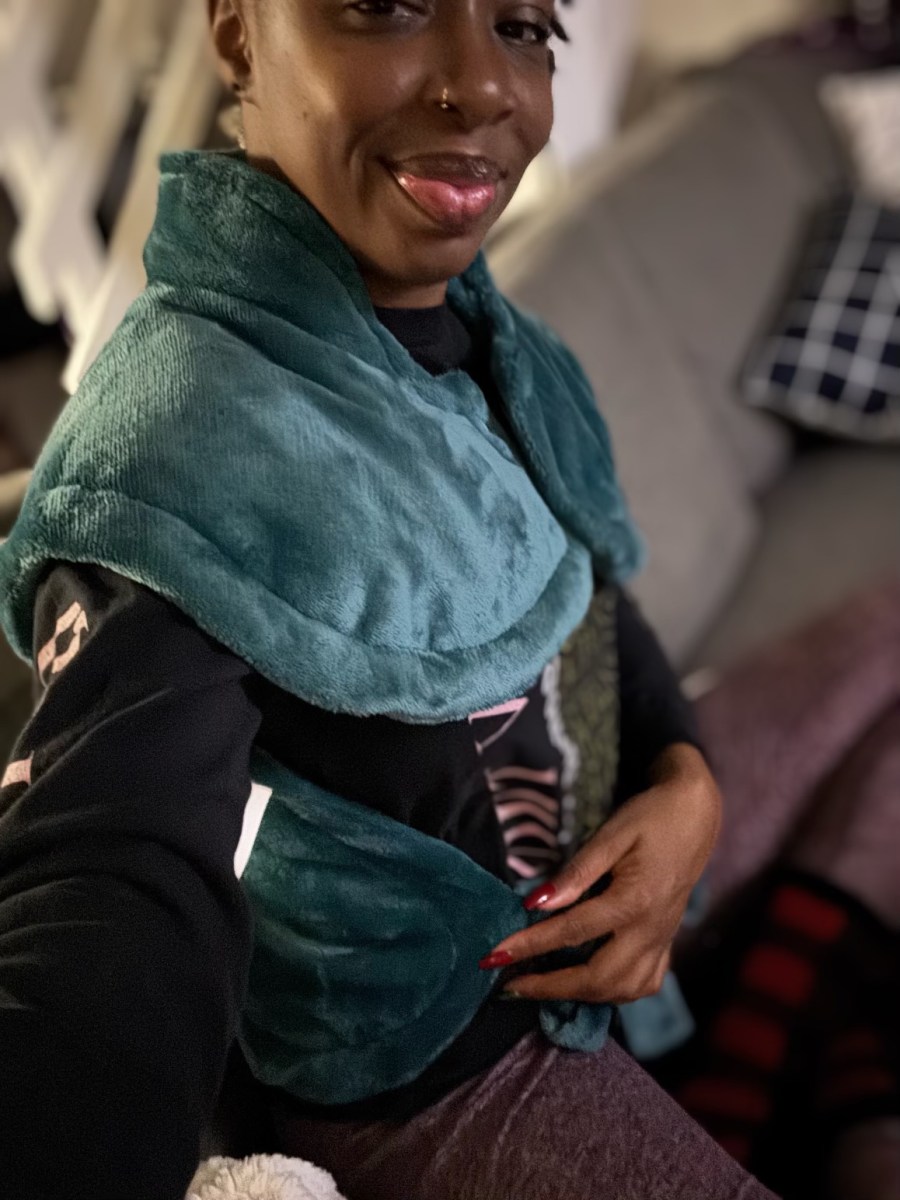
I’ve had to become more intentional about managing my health. That includes identifying my triggers—lack of rest, stress, overexertion—and adjusting my lifestyle accordingly. One of the biggest challenges? My body does not like the cold, which is tough when you live in the Midwest. Now, I don’t go far without heated essentials: heating pads, hand warmers, heated vests, back massagers—if it generates heat, I probably own it (see photo of my full back heating pad 🙃).
One of my favorite traditions is going to holiday events with my family around Christmas time. We enjoy events like the Zoo Lights and the Garden Glow at the Botanical Garden. But with my body’s sensitivity to the cold, we’ve had to adjust. Now, on especially cold nights, we opt for drive-through light displays instead. It’s a small change, but one that allows me to still enjoy the season without putting my body through unnecessary pain.
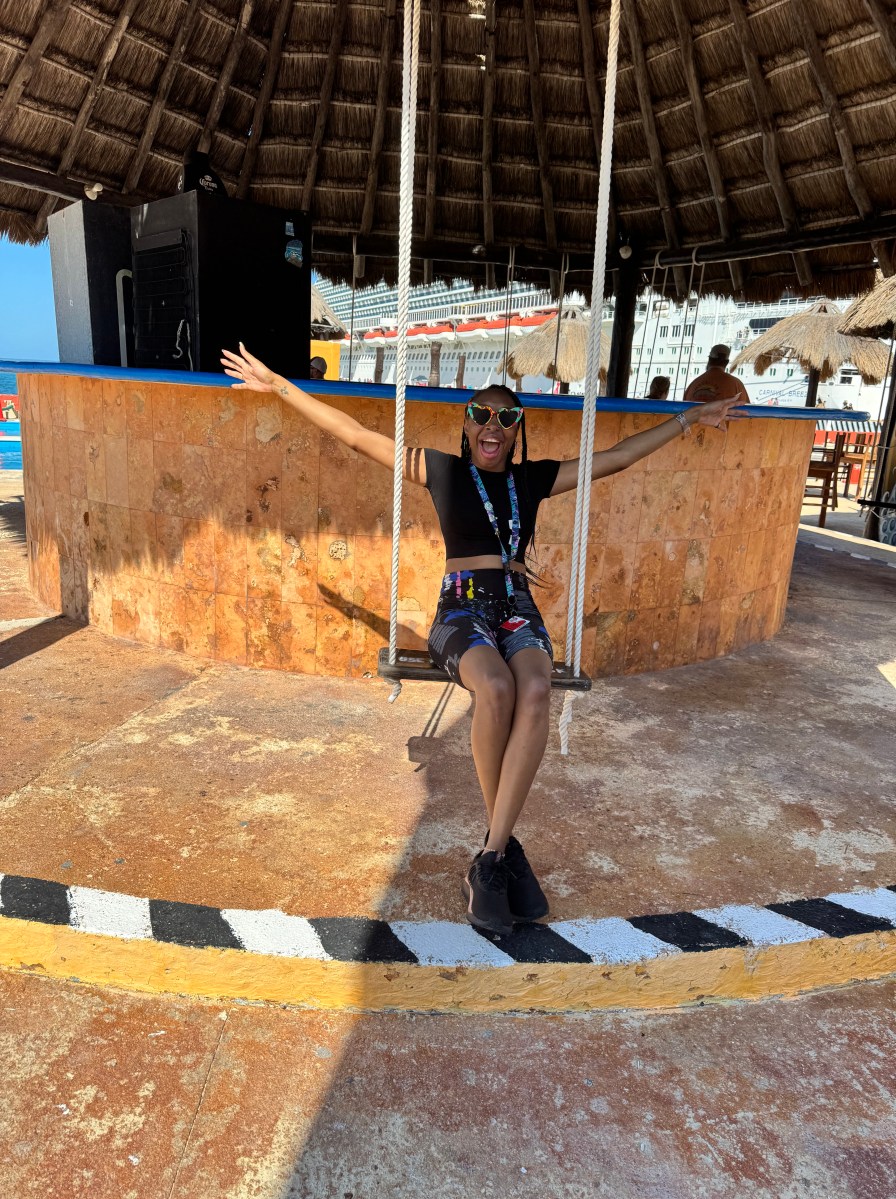
Travel now requires extra supplies for comfort, and I’ve had to rethink how I structure my itineraries. But that doesn’t mean I’ve stopped doing the things I love. I still enjoy traveling—my annual family cruise and solo birthday trip are traditions I refuse to give up. I also love going to events, festivals, and concerts with my friends, though I pace myself differently now. Movement is important for me too, so I’ve found joy in activities like walking and yoga, which help me stay active without overexerting myself. Adjustments are necessary, but they haven’t taken away my ability to experience joy and adventure. I can’t pack my days with back-to-back activities like I used to—I need to schedule rest breaks and be mindful of how much I’m pushing my body. Every day is a learning experience, but I refuse to let this illness steal my joy.
What Keeps Me Going
I’m incredibly grateful for my support system. My mom and best friends constantly remind me that resting isn’t a weakness—it’s necessary. I also work with a therapist and a dietitian who help me manage both the physical and emotional aspects of this disease. And my faith in God keeps me grounded. I truly believe that He won’t give me more than I can handle, and I trust His plan for my life, even on the hardest days.
What I Wish More People Knew
Chronic illnesses and disabilities aren’t always visible. Just because someone looks fine doesn’t mean they aren’t struggling. I get up every day, put on a smile, and go about my life, but behind the scenes, I’m managing constant pain, fatigue, and the uncertainty that comes with this disease. The mental toll is just as real as the physical one—coping with the unpredictability, the frustration of limitations, and the grief of losing the life I once had. March is Autoimmune Awareness Month, and most people don’t even know what an autoimmune disease is. That’s why I choose to share my story—to educate, spread awareness, and hopefully help others feel seen.
For Anyone Who’s Dealing with a Chronic Illness
If you’re facing a chronic illness, take it one day at a time. You don’t have to figure everything out at once. Focus on what you can control and make small adjustments. Listen to your body, and don’t feel guilty for saying no when you need to. Give yourself grace on the bad days and practice gratitude on the good ones. Find a support system—whether it’s family, friends, church, or online communities. Navigating chronic illness alone is incredibly tough, and having people who understand and encourage you makes all the difference.
Above all, remember: Your illness does not define you. It is a part of your life, but it is not the whole story. And I refuse to let it be mine.
If you or someone you love is living with an autoimmune disease, I encourage you to share your story, spread awareness, or simply support those around you who may be struggling. The more we talk about these conditions, the more understanding and compassion we can build within our communities. Every voice matters, and together, we can create a world that is more informed, empathetic, and supportive.


 Grace not Perfection
Leave a comment